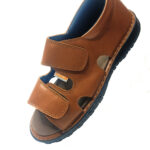
When it comes to managing diabetes, foot health is non-negotiable. Best Diabetic footwear play a crucial role in preventing complications such as ulcers and neuropathy. But with so many options available, how do you find the perfect pair? We’ve compiled expert tips to guide you on your quest for happy, healthy feet.
Consult a Footwear Specialist to find best diabetic footwear: Your Foot Health Ally
The journey to finding the right diabetic footwear begins with a consultation with a footwear specialist. These foot specialists can provide personalized advice based on your unique foot needs and existing conditions.
Fit is Key: Room to Wiggle, Support to Stride
Diabetic footwear should fit like a glove – not too tight, not too loose. Look for footwear with ample room for your toes to wiggle freely. Adjustable closures such as Velcro straps or laces allow for a customized fit.
Cushioning for Comfort, Support for Stability
When it comes to diabetic footwear, cushioning is king. Opt for footwear with generous cushioning to protect your feet from pressure points. Good arch support ensures weight is evenly distributed, reducing strain.
Breathe Easy: Choose Breathable Materials
Moisture and heat can spell trouble for diabetic feet. Select footwear made from breathable materials like leather or mesh. These materials promote airflow, reducing the risk of infections and discomfort.
Solid Foundation: Inspecting the Soles
The soles of diabetic footwear should offer sturdy support and good traction. Look for non-skid soles that are flexible enough to accommodate natural foot movement, reducing the risk of slips and falls.
Features for Special Needs: Orthotics and Adjustability
Some diabetic footwear come with removable insoles, perfect for accommodating custom orthotics if needed. Footwear with extra depth or a wide toe box are ideal for individuals with foot deformities.
Best Diabetic Footwear: Ensure Quality
When shopping, look for footwear specifically labeled as “diabetic footwear” or “therapeutic footwear.” specialized in diabetic footwear, meeting the unique needs of diabetic footwear.
Complete the Ensemble: Diabetic Socks
Pair your diabetic footwear with diabetic socks made from moisture-wicking materials. These socks reduce friction, preventing blisters and ulcers while keeping your feet dry and comfortable.
Transitioning to New Footwear: Test and Adjust
Once you’ve found the perfect pair, wear them around the house for short periods to ensure comfort. Gradually increase wear time to allow your feet to adjust to the new footwear.
Daily Inspections: Keeping an Eye on Foot Health
Even with the right footwear, daily foot inspections are essential. Check for any redness, blisters, cuts, or other abnormalities. Promptly address any issues with your healthcare provider.
When to Say Goodbye: Replace When Necessary
Like all footwear, diabetic footwear wear out over time. Replace them when you notice signs of wear or loss of support to maintain optimal foot health.
Seeking Professional Help: Don’t Hesitate
If you experience persistent foot pain, swelling, redness, or signs of infection, seek medical attention promptly. Diabetic foot issues should never be self-treated.
With these expert tips, you can navigate the world of diabetic footwear confidently. Remember, proper foot care is an integral part of managing diabetes and overall well-being.
#DiabetesFootCare #HealthyFeet #DiabeticFootwear #FootHealth #PodiatryTips #DiabetesSupport #dera #derafootwear
All these Tips for Finding the Best Diabetic Footwear would help you to keep your feet happy and healthy…
For Further reference: