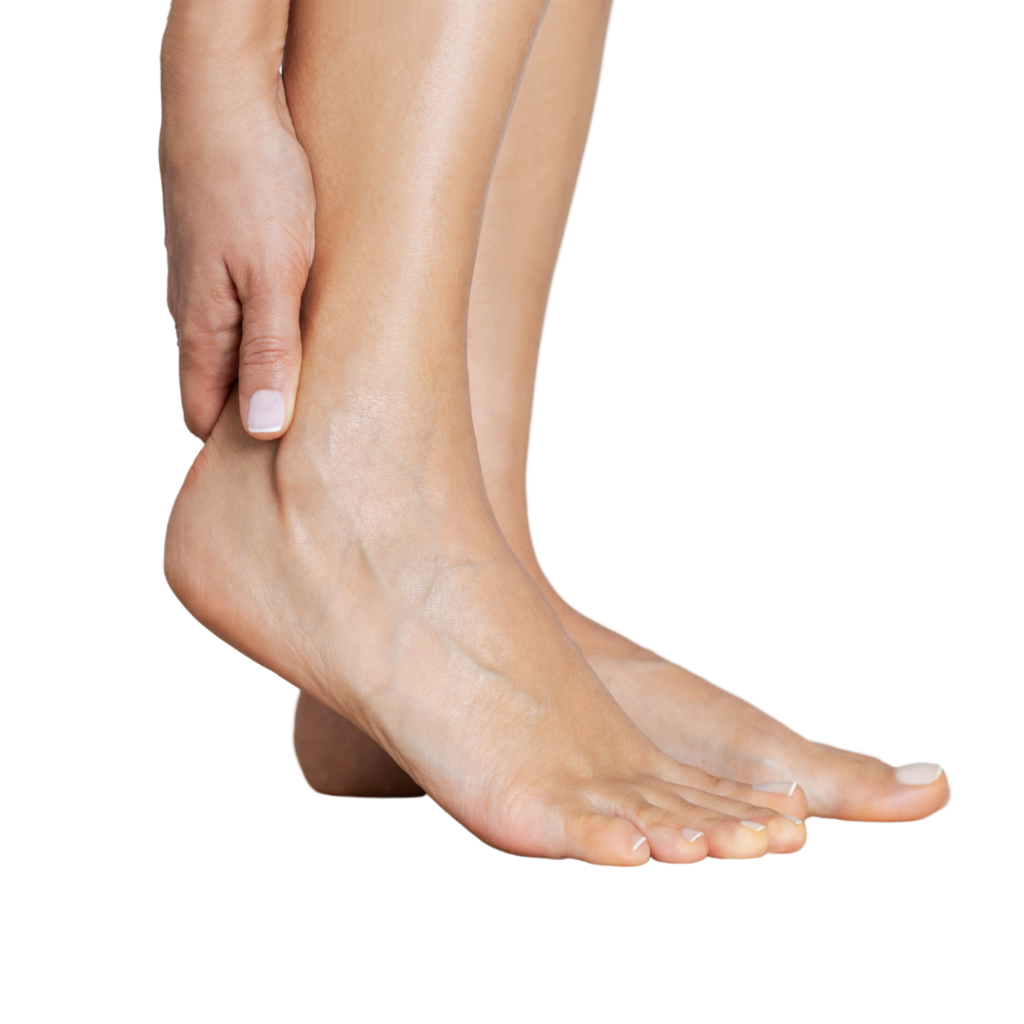
I. Foot Care Routine:
- Regular Washing: Keep your feet clean by washing them daily with warm water and mild soap.
- Thorough Drying: Dry your feet carefully, paying special attention to the areas between your toes.
- Moisturize Often: Apply a moisturizer to prevent dry, cracked skin and keep your feet hydrated.
II. Nail Care:
4. Proper Trimming: Trim your toenails straight across and avoid cutting them too short.
5. Avoid Ingrown Nails: Trim the nails properly to prevent ingrown toenails and associated complications.
III. Shoe Selection:
6. Choose Well-Fitting Shoes: Wear shoes that fit properly and provide adequate support.
7. Toe Room: Ensure there is enough room for your toes to move comfortably.
8. Breathable Materials: Opt for shoes made of breathable materials to promote air circulation.
IV. Sock Selection:
9. Breathable Fabrics: Wear socks made of breathable materials to wick away moisture.
10. Moisture-Wicking: Choose socks that help prevent fungal infections by keeping your feet dry.
V. Footwear Practices:
11. Alternate Shoes: Rotate your footwear to allow them to air out and dry between uses.
12. Avoid High Heels: Limit wearing high heels or tight shoes for extended periods.
VI. Additional Support:
13. Cushioned Insoles: Use cushioned insoles or orthotic inserts to provide extra support and reduce pressure.
14. Arch Support: Consider arch support inserts to maintain proper foot alignment.
VII. Public Areas:
15. Protective Footwear: Wear shower shoes or flip-flops in public areas to protect against infections.
16. Dry Feet: Ensure your feet are dry before putting on shoes or socks.
VIII. Weight Management:
17. Healthy Weight: Maintain a healthy weight to reduce pressure and strain on your feet.
IX. Foot Exercises:
18. Strengthening Exercises: Perform foot exercises like toe stretches and ankle rotations to enhance flexibility and strength.
19. Pre and Post-Activity Stretches: Stretch your feet and ankles before and after physical activities to prevent injuries.
X. New Shoe Break-In:
20. Gradual Adjustment: Break in new shoes gradually to prevent blisters and discomfort.
XI. Blood Circulation:
21. Avoid Prolonged Sitting or Standing: Take breaks and move around to promote healthy blood circulation.
XII. General Health Considerations:
22. Avoid Smoking: Smoking impairs blood flow, affecting foot health.
23. Hydration: Stay properly hydrated for healthy skin and to prevent dryness.
XIII. Special Conditions:
24. Manage Underlying Health Conditions: Seek professional guidance to manage diabetes or arthritis.
25. Regular Check-ups: Visit a podiatrist or foot specialist for routine foot examinations and preventive care.
By following these comprehensive tips, you can maintain good foot health, prevent common foot problems, and keep your feet happy and pain-free.